Long before Benoni grew into a bustling industrial and residential hub on the East Rand, its early pioneer community faced a fundamental challenge: securing a reliable, hygienic food supply. In the late 19th and early 20th centuries, there were no centralized facilities. Instead, meat production was entirely decentralized, with livestock being slaughtered locally on surrounding farms.
As the local population boomed following the discovery of gold, the town needed a modern, centralized solution. The story of the Benoni Abattoir is a fascinating journey from a makeshift “slaughter pole” to one of the largest and most efficient agricultural facilities in South Africa.
1910–1913: The Early Days at Westdene Pan and Kimbolton Street
The first formal step toward centralized meat processing occurred in 1910. A temporary, makeshift abattoir—affectionately known by locals as a “slaughter pole”—was constructed on the north-eastern shore of the Westdene Pan. Built out of basic wood and iron, the private facility was surrounded by rudimentary cattle and pig pens. While modest, it marked the end of purely farm-based slaughtering for the growing town.
Recognizing that the temporary structure could not keep pace with Benoni’s rapid expansion, the local town council stepped in. In 1913, the council municipalized the operation and constructed the first official Benoni Abattoir.
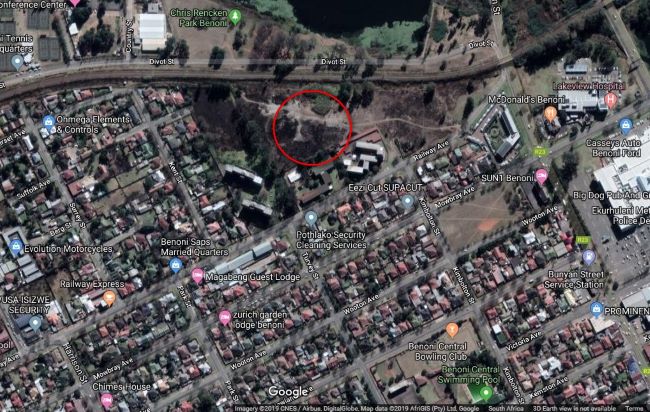
Located at the bottom end of Kimbolton Street where it intersected with Railway Avenue, this facility served as the town’s primary meat processing hub for over two decades. Under the watchful eye of its superintendent, Mr. C.A. Boyce, the abattoir established formal health standards and organized local logistics.
It was during this foundational era that a 15-year-old young man named Willem Daniel Maritz began working at the facility. Displaying a keen eye for logistics, Maritz eventually established himself as the abattoir’s very first official loading contractor—a role that would lay the foundation for a decades-long family business.
1935: Modernization and the Move to the Industrial Sites
By the 1930s, Benoni’s rapid industrial growth meant the Kimbolton Street facility was rapidly being outgrown. The council recognized the need for a state-of-the-art facility designed with modern efficiency and strict hygiene standards in mind.
The decision was made to build a brand-new, modern abattoir within the developing Benoni Industrial Sites. The project was handed over to the superintendent at the time, Mr. H.J. Davey, who meticulously designed the new complex.
When the modern abattoir opened its doors in 1935, it was hailed as a triumph of local municipal planning. It featured optimized slaughter lines, improved refrigeration, and dedicated rail access to streamline the transport of livestock and processed meat.
Benoni Abattoir Becoming the Fifth Largest in South Africa
The success of the 1935 facility relied entirely on the tight-knit team managing its daily operations. A powerhouse leadership trio emerged that propelled the facility to national prominence:
- Mr. Piet Griesel, who served with distinction as the Head of the Slaughtermen.
- Mr. Louis Pieters, the precision-focused Foreman running the floor.
- Mr. Willem Daniel Maritz, who continued to manage and scale the vital loading and distribution contracting.
Through their combined efforts, teamwork, and operational efficiency, the Benoni Abattoir grew exponentially. It eventually earned the status of being the fifth-largest abattoir in the entire country, trailing only behind the massive primary hubs in Johannesburg, Durban, Cape Town, and Pretoria. It became a crucial pillar of the agricultural supply chain, ensuring food security across the wider Witwatersrand region.
Benoni Abattoir A Generational Legacy
The story of the abattoir is also a deeply personal family history. Following the passing of Mr. Willem Daniel Maritz in the late 1950s, the mantle of the family’s essential logistics business was passed down. His son, Mr. Hendrik Jacobus Maritz, took over the loading contracting operations. Hendrik successfully steered the business through the changing economic landscapes of the mid-20th century, running it for approximately 23 years and keeping the family legacy alive on the abattoir floor.
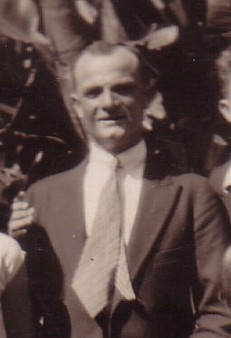
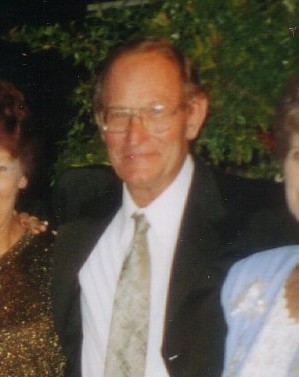
Willem Daniel Maritz is my Wife’s Grandfather and Hendrik Jacobus Maritz is her Uncle.
Did You Know? The old ruins of the 1913 Kimbolton Street facility remained visible behind the Deneys Conradie Residentia housing complex until just a few years ago, serving as a silent brick-and-mortar reminder of Benoni’s early agricultural pioneers.
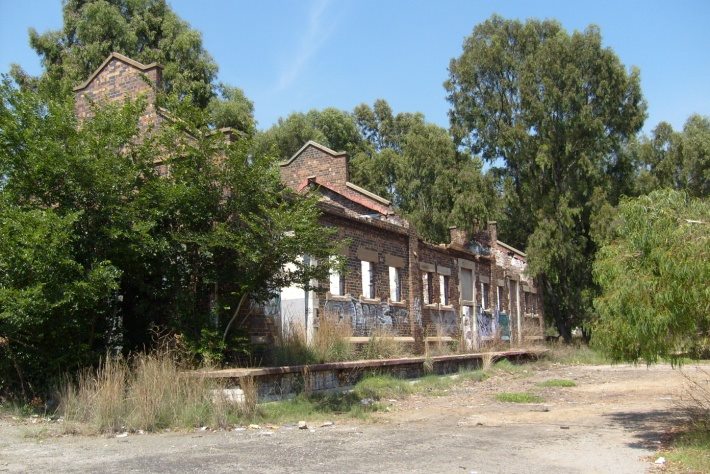
Today, while the original structures have faded into memory, the legacy of the Benoni Abattoir stands as a testament to the town’s industrial ingenuity and the hard-working individuals who built it from the ground up.